A Practical Guide to Choosing Mattresses for Side Sleepers: Support, Comfort, and Alignment
A global perspective on sleep science, materials, and regional considerations for side sleepers navigating firmness, contouring, and spinal alignment.
Side sleeping is the most common position in many cultures, and yet it is the most demanding on the mattress. The shoulder and hip bear most of the body's weight, companies and researchers remind us, and the mattress must cradle those points without compressing the torso or twisting the spine into an unintended curve. This guide looks beyond brands and prices to the physics of pressure relief, the language of firmness, and the regional realities that shape how a mattress feels in different bedrooms around the world.
The topic is not merely about comfort, but about alignment and long-term comfort health. When you sleep on your side, a mattress needs to contour to your curves while supporting the lumbar region and maintaining neutral spinal alignment. We explore how popular materials—foam, latex, and springs—translate into real-world outcomes for side sleepers. We also consider how to test firmness at home, how to interpret edge support, and how to read regional certifications and safety labels so you can shop with confidence across borders.
1) Core considerations for side sleepers
Pressure relief at the shoulders and hips is the central challenge. A mattress that is too firm may push against the body's curves, causing numbness or a stiff lower back. A mattress that is too soft may allow the torso to sink too deeply, disrupting alignment and creating a domino effect up the spine. The sweet spot lies in a balance of contouring and support that slows the body’s sinking just enough to keep the spine in a straight line from neck to pelvis.
Contouring is often achieved through targeted material behavior. Memory foam, for example, is well known for conforming to pressure points, which can be a boon for shoulder relief, but it may also retain heat. Latex—whether natural or synthetic blends—offers a different contour with a cooler, more responsive feel. In hybrid mattresses, springs provide support and bounce, while a softer top layer can provide the necessary pressure relief for the shoulder and hip.
Firmness is not a single numeric value but a relationship between the feel on the surface and the underlying support. Manufacturers often describe firmness as soft, medium, or firm, but the actual experience for side sleepers depends on body weight, distribution, and personal comfort preferences. A 180-pound sleeper and a 230-pound sleeper may experience different outcomes from the same mattress, especially with different foam densities, coil counts, and top-layer thickness.
2) Materials and how they translate to comfort
Foam: Polyurethane foams used in many mattresses vary in density. Higher-density foams tend to offer greater support, helping with spinal alignment, while lower-density foams can compress more easily under the shoulder and hip. For side sleepers, a foam layer with enough density to resist premature sag is often beneficial, paired with an upper softer layer to cushion those pressure points.
Latex: Natural latex is popular for its resilient, breathable properties. It tends to provide a buoyant feel with good contouring that resurfaces quickly, which helps maintain spinal alignment for side sleepers who change positions during the night.
Springs: Traditional innerspring or pocketed coil systems deliver robust support and edge reinforcement. When layered with soft comfort foams or latex above, they can create a balanced experience—support at the core with surface contouring for pressure relief.
Hybrid mattresses, which combine springs with foam or latex, are particularly popular among side sleepers seeking dynamic support and relief. The distribution of firmness across the top layers matters: a plush top layer can cradle shoulders and hips, while a solid coil system underpins the spine.
Regional materials and trade-off considerations matter as well. In some markets, natural latex or organic cotton fabrics carry certifications that influence not only health considerations but also perceptions of quality and longevity. In others, technological foams with low VOC emissions offer an ecological and safety appeal. The global market for mattresses means you may encounter a mosaic of standards, certifications, and manufacturing practices—an additional layer of due diligence for informed buyers.
3) How to test firmness and contour at home
The most practical approach is to simulate your sleeping position on the bed. If you own the mattress, try lying on your side for 15–20 minutes in various positions, paying attention to shoulder pressure, hip sinking, and any twinge in the lower back. If you’re shopping, visit showrooms and request a trial period or, at minimum, a home test, so you can assess the feel on your own terms.
- Check shoulder relief: when you lie on your side, is there noticeable pressure around the shoulder and does the upper arm rest comfortably without elevating the shoulder toward the ear?
- Assess hip sinking: does the mattress allow the hip to sink enough to keep the spine in a neutral line without creating an exaggerated curve in the lower back?
- Edge support: as you approach the edge of the mattress, do you feel secure standing or sitting, or does it feel like you might roll off?
- Temperature regulation: is the surface breathable enough to feel cool through the night, or does it trap heat around the shoulder and hip?
Certifications can be helpful signals of durability and safety. Look for labels such as OEKO-TEX, CertiPUR-US, GOTS, GOLS, and in some regions, additional blue or green ecolabels. These certifications do not guarantee comfort, but they provide a framework for evaluating product claims, particularly when regional standards vary.
4) Regional considerations and global context
The global mattress market presents a spectrum of buying experiences. In some regions, you may encounter a heavy emphasis on natural materials and traditional craftsmanship, with brands that emphasize layering techniques and hand-finished components. In others, high-tech foams and sophisticated coil systems dominate, with strong emphasis on certifications and standardized testing.
Side sleepers in warmer climates may prioritize breathable covers and open-cell foams or latex to promote airflow. In cooler climates, the concern might be stability in the top layers and a slightly denser profile to preserve warmth during sleep. The goal across regions remains consistent: sustain neutral spinal alignment while providing sufficient contouring to relieve pressure at critical contact points.
When comparing brands such as Naturepedic and Vispring in a global buying guide, the conversation shifts from marketing rhetoric to the physics of sleep. Naturepedic’s EOS Classic, for instance, stands out for its organic layers and customizable comfort, offering a tangible example of how top-layer softness can be tuned to support side sleepers. On the other hand, a brand like Royal-Pedic, with a natural latex core and layered materials, demonstrates how luxury craftsmanship can translate into a distinct feel that still prioritizes contour and alignment.
5) A practical, cross-era conversation: three key individuals
The following figures—spanning different eras—illuminate how sleep, comfort, and structural design have evolved. They anchor our understanding that evolving knowledge about the human body, materials science, and global trade informs the modern decision-making process for side sleepers.
Hypatia of Alexandria (c. 370–415 CE) — The early navigator of knowledge
Hypatia represents the ancient tradition of empirical curiosity: questioning the status quo, examining natural philosophy, and insisting on rational inquiry. Her era reminds us that the quest to improve human comfort—whether through geometry, astronomy, or material understanding—begins with a disciplined willingness to observe and reason. While the bedding technologies of her time differ vastly from ours, the spirit of careful analysis resonates with the modern approach to mattress design: test, measure, and refine.
Louis XVI and the awakening of modern manufacturing (18th century) — Craft, standardization, and scale
The French monarch’s era marked important inflections in workshop organization, quality control, and the rise of standardized production lines. In the context of mattresses, this period symbolizes the shift from bespoke handcraft to scalable processes that could deliver consistent products. Side sleepers value consistency: uniform support under the shoulder and predictable contouring along the hip, regardless of where a mattress is made or sold.
Naturepedic founders and sleep science (late 20th–early 21st century) — Organic materials and safety certifications
The modern movement toward organic materials, transparency, and health-conscious design is epitomized by brands like Naturepedic and the broader organic mattress ecosystem. This lineage emphasizes that the sleep environment is not merely a matter of comfort but a domain of health, safety, and ecological responsibility. For side sleepers, this translates into choosing materials that provide pressure relief without compromising breathability or chemical exposure.
6) Practical recommendations for side sleepers
- Start with a medium-firm to soft upper layer architecture that offers generous shoulder relief without letting the hip sink too deeply.
- Prioritize breathable top layers (latex, open-cell foam, or breathable covers) to mitigate heat buildup during the night.
- Look for a balanced core support, such as a well-engineered coil system or a solid high-density foam core, to maintain spinal alignment across movements.
- Consider a trial period or a return policy that allows you to test the mattress at home, especially if you sleep predominantly on your side.
- Review regional certifications and safety signals to ensure product claims align with health and environmental standards in your market.
Experience example products that illustrate the principles above:
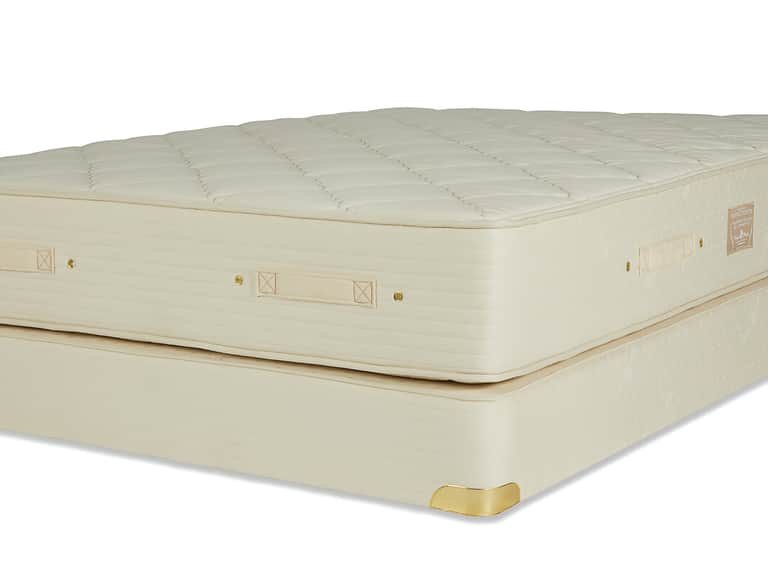
Royal-Pedic Natural Latex Quilt-top Mattress
All-natural Dunlop latex core, premium cotton, chemical-free wool. Luxury, contouring, and global craftsmanship.
Price: 5974.00
View productRoyal-Pedic—a benchmark in natural materials and hand-crafted longevity.
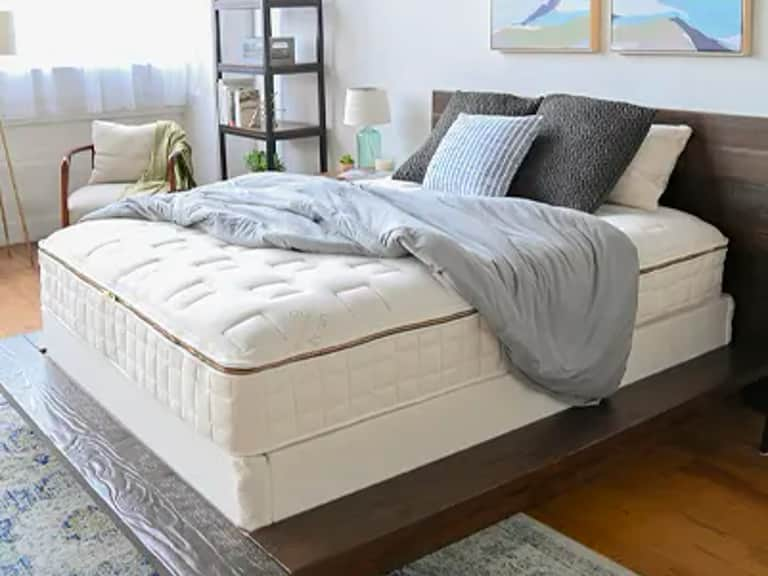
Naturepedic EOS Classic Mattress
Completely organic, customizable layers, and European-inspired design. A modern standard for safe sleeping surfaces.
Price: 2399.00
View productOrganic latex and layered comfort with safety certifications.
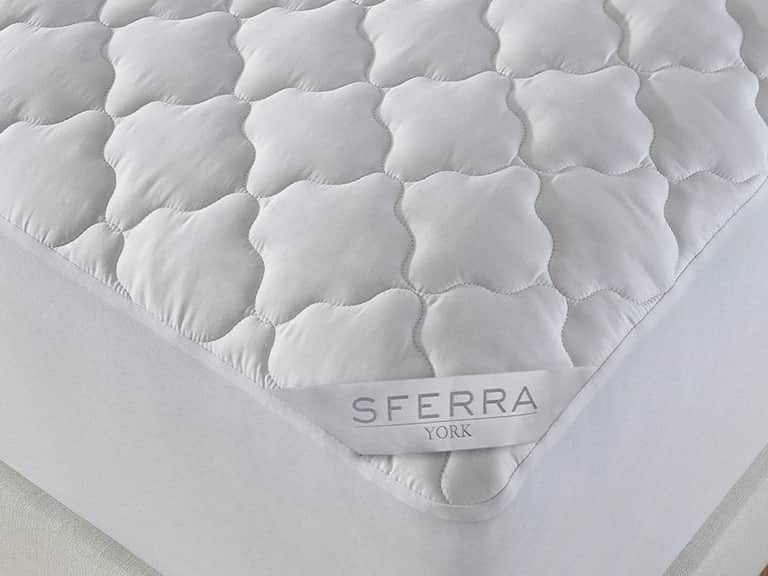
York Mattress Pad
Luxurious down-alternative fill with cotton shell for loft and a breathable surface.
Price: 295.00
View productA practical add-on for enhanced contour and climate comfort.
Note: Images are provided for selected products to illustrate design and feel. Availability may vary by region.
7) Glossary of terms for global readers
Spinal alignment, contouring, edge support, and pressure relief are terms you may encounter in product specs. Understanding firmness ratings in relation to material densities helps you translate marketing language into real-world experience. Certifications signal health and safety commitments, while regional norms may suggest different comfort expectations for similar level of support.
- Contour: the way a mattress conforms to the body’s curves under pressure points (shoulders, hips).
- Indentation force deflection (IFD): a measure used to describe the force needed to compress a foam sample, related to firmness perception.
- Edge support: the stability and support around the perimeter of the mattress, important for sleeping near the edge and for seating on the edge.
- Certifications: independent testing labels such as CertiPUR-US, OEKO-TEX, GOTS, GOLS, and others depending on region.
8) Final thoughts: a global approach to a universal need
The quest for a perfect side-sleeping mattress is both intimate and global. It is intimate because it depends on one’s body, weight distribution, and personal comfort, and global because the market now spans continents, cultures, and a shared obsession with restful sleep. In this global context, the best mattress for a side sleeper is not a single brand but a thoughtful match among system design, material behavior, regional availability, and a buyer’s willingness to test and learn.
Mattressglobe.com, envisioned as a Global Mattress Education Hub, aims to be that map—an evidence-informed compass that helps readers navigate the invisible geometry of sleep. By centering non-commercial, research-backed guidance and celebrating regional differences, the site can build a trustworthy, durable resource that evolves with science, technology, and consumer needs.