Sleep Hygiene Essentials: How Your Mattress Choice Impacts Wellness
A practical guide to how mattress selection influences sleep quality and overall health. Learn key factors from mattress type to cover materials that support better sleep hygiene and daytime well-being.
Published August 6, 2026
Sleep is the quiet engine of daily life, the invisible architecture of our mornings. Yet sleep is not just about quantity; it is about the quality that brightnesses the hours that follow. The choices we make at night—especially the mattress we lay upon—shape our breathing, our temperature regulation, and even our mood. This article, drawn from a contemporary wellness perspective, examines how mattress type, cover materials, and supporting accessories work in concert to optimize sleep hygiene and long-term health.
1) Mattress Type: Aligning Support with Sleep Position
Different sleep positions exert distinct demands on the spine and the neck. A mattress that smears the body’s natural curves can cause subtle misalignments that accumulate over time. The modern landscape offers several core categories:
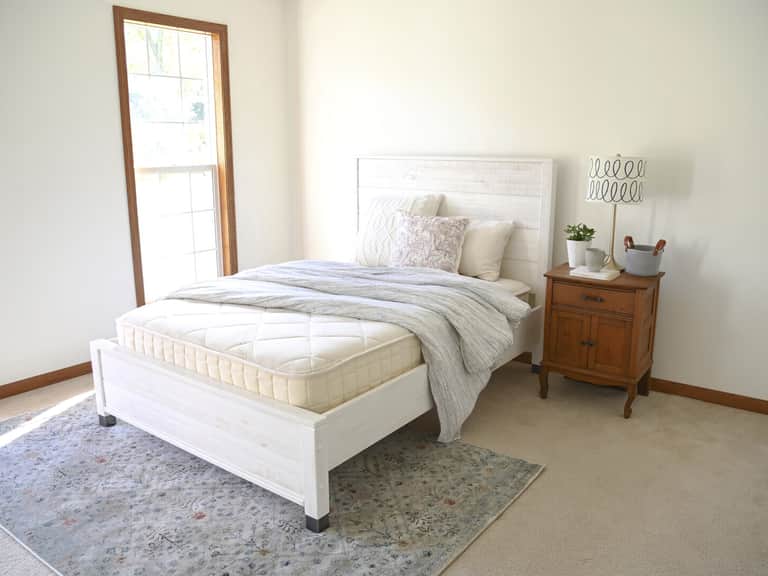
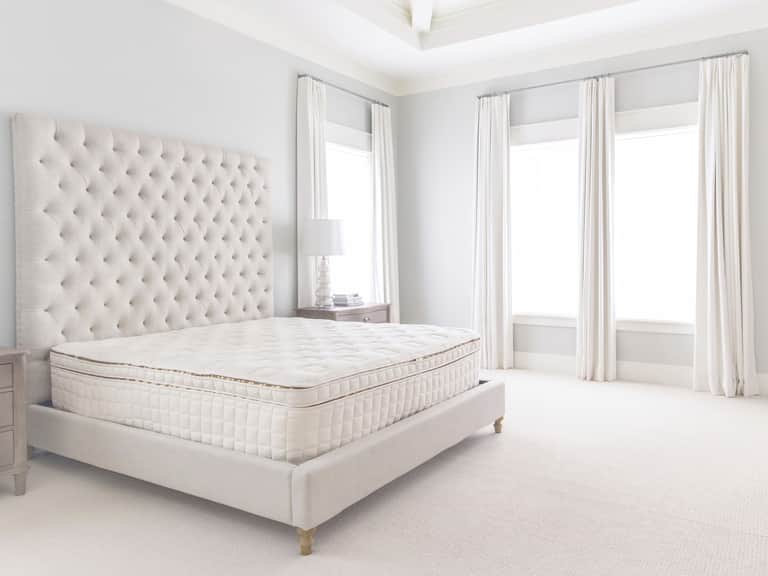
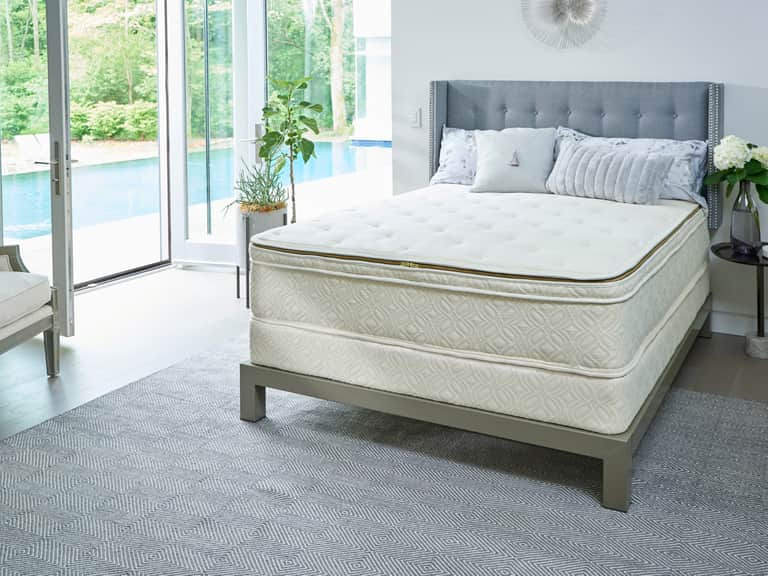
- Innerspring and hybrid mattresses: These typically provide strong support with pocketed coils and may incorporate latex or foam layers for pressure relief. The Serenade Organic Hybrid Mattress from Naturepedic represents a high-end example, blending organic Dunlop latex with encased coils and wool and cotton fabrics. The result is a balanced feel that accommodates a range of sleepers without introducing excessive contouring.
- All-foam mattresses: These emphasize cradle-style contouring and can be excellent for those who prefer uniform pressure relief. However, some foams can trap heat, which highlights the need for breathable covers and cooling technologies.
- Latex and natural-material mattresses: Latex offers resilient support with responsive bounce, reducing sinking and facilitating ease of movement. For eco-conscious buyers, organic latex and cotton covers provide a breathable, non-toxic sleep surface.
For side sleepers in particular, a medium-to-firm feel that cushions the shoulders and hips while maintaining spinal alignment is often ideal. Back sleepers may benefit from a slightly firmer profile that supports the lower back without creating pressure points. Stomach sleepers typically require a firmer surface to prevent the hips from sagging, which can strain the lumbar region. In all cases, a balance between support and contour is crucial to avoid waking with neck or back discomfort.
2) Breathability and Temperature Regulation: The Cover Matters
Temperature regulation is not a mere comfort factor; it is a physiological driver of sleep. When a mattress encases your body in warmth without airflow, you may wake with a damp or clammy sensation, especially in warm climates or during hot seasons. Breathable covers, natural fibers, and moisture-wicking technologies can improve sleep hygiene by reducing nighttime moisture and maintaining a steady skin temperature.
Natural materials—such as GOTS-certified organic cotton, wool, and latex—often bring superior breathability compared to synthetic blends. Consider a mattress with a cover that uses organic cotton or wool blends, paired with an innerspring or latex core designed to allow air movement. The focus should be less on cooling gimmicks and more on sustainable airflow that persists through the night.
3) The Role of Mattress Accessories: Pads, Protectors, and Toppers
Beyond the core mattress, toppers, pads, and protectors play a decisive role in sleep hygiene. A topper can align a mattress that doesn’t fit your body perfectly; a top-tier protector can shield against moisture and allergens without compromising comfort. Bedding layers such as latex toppers and wool toppers offer temperature regulation and pressure-point relief that can complement the base mattress’s design.
In the product landscape, you may encounter items like the Suite Sleep Organic Cotton Knit Mattress Protector or the Sleep and Beyond Organic Cotton Waterproof Protector. Protectors with non-toxic membranes can guard against spills while remaining quiet and breathable. Wool and latex toppers can add an additional layer of comfort while maintaining ecological and health-conscious standards.
4) Sleep Hygiene and Wellness: The Long View
Sleep hygiene is a composite of environment, routine, and product choices. The mattress is a central component, but how you prepare your sleep space at night—dim lights, a cool room, and a wind-down routine—interacts with your mattress to shape outcomes such as energy levels, mood stability, and cognitive performance. In this wellness-centric view, the mattress becomes a daily health instrument, not merely a consumer purchase.
Evidence across sleep science emphasizes the link between sleep quality and daytime functioning. A mattress that supports spinal alignment, fosters breathability, and minimizes pressure points can reduce nighttime awakenings, improve REM cycles, and enhance morning alertness. The goal is a bed that feels effortless to lie down on, yet robust enough to support sustained restful sleep through the night.
5) Three Key Figures Across Time: A Conversation About Sleep
Exploring sleep through time reveals how voices from different eras have framed comfort, science, and the human need for rest. Here are three influential figures who illuminate the subject from distinct historical vantage points:
- Hypnos and Morpheus (Ancient Greek myth, circa 5th century BCE): Though mythic rather than empirical, these figures personify the timeless human desire to manage darkness and awaken refreshed. Their stories remind us that sleep is both mystery and discipline—a narrative thread that connects ritual, dream, and the physiology of rest.
- Florence Nightingale (1820–1910): A reformer of modern health care, Nightingale’s focus on sanitation, environment, and patient well-being laid early groundwork for the idea that sleep is a health imperative tied to environment. Her insistence on clean air, comfortable bedding, and rest as a component of recovery echoes in today’s attention to breathable covers and non-toxic materials.
- Matthew Walker (born 1972): A contemporary neuroscientist and author of Why We Sleep, Walker synthesizes decades of sleep research into accessible insights about circadian rhythms, memory consolidation, and the restorative role of deep sleep. His work underlines that mattress science is not isolated from brain function and daily vitality.
These voices span myth, reform, and science, illustrating that sleep is a spectrum that ranges from ritual to rigorous inquiry. A modern mattress consumer stands on their shoulders, perched at a crossroads where healthy sleep hygiene, premium materials, and evidence-based design converge.
6) Product Spotlight: Naturepedic Serenade Organic Hybrid Mattress
Among the constellation of mattresses designed with health in mind, the Naturepedic Serenade Organic Hybrid Mattress stands out as a case study in conscientious engineering. It blends organic encased coils with a latex comfort layer, wrapped in organic wool and cotton. The result is a mattress that respects the body’s need for support and air movement while prioritizing materials that are transparent and free of harmful additives. The Serenade’s balanced feel can be a compelling choice for sleepers seeking a harmony of bounce, contour, and eco-conscious sourcing.
For readers who want to explore a premium model that foregrounds organic materials, the Serenade exemplifies how a mattress can be both luxurious and health-forward. Its design aligns with sleep hygiene principles: breathable layers, pressure-relieving surfaces, and a foundation built on non-toxic materials that reduce potential chemical exposure during sleep.
7) Practical Steps to Evaluate and Improve Your Sleep Environment
Note how you sleep, where you wake, and what comfort adjustments you notice. Do you wake with neck tension? Is there nighttime heat? These clues guide whether you need a firmer support, a latex topper, or a breathable cover. Use breathable, organic covers that allow air exchange and moisture evaporation. If you notice excess perspiration, a wool or latex topper with good airflow can help regulate humidity. Seek GOTS or GOLS certifications, natural latex, organic cotton, and wool. Reducing exposure to chemical additives can support both immediate comfort and long-term health. A 90- to 100-day trial allows you to evaluate whether a mattress’s feel aligns with your sleep needs. If adjustments are necessary, you can switch layers or reconsider firmness without financial strain. Introduce pads, protectors, and toppers one at a time. This approach helps you identify which element yields the most meaningful improvement in sleep quality.
8) Listener’s Guide: How to Talk About Sleep Comfort with Confidence
When communicating with retailers, researchers, or clinicians, clarity matters. Describe your sleep posture, any pain points, and how you regulate temperature during the night. Share your priorities—whether eco-conscious materials, a balance of support, or moisture-wicking performance—and ask pointed questions about materials, certifications, and warranty terms. A thoughtful dialogue can transform a routine purchase into a long-term investment in wellness.
9) A Final Note on Wellness and the Mattress Market
In the vast ecosystem of sleep products, it is tempting to chase the latest gadget or the most dramatic claim. Yet sleep health, like most forms of well-being, tends to reward steady, principled choices: breathable materials, appropriate support, and a room that invites rest. The mattress is not a single instrument but a stage upon which a nightly performance of restoration unfolds. When designed with care, it becomes a partner in wellness, a quiet ally that helps you rise ready for the day.
10) A Closing Reflection
As the century marches on, our understanding of sleep will continue to deepen, but the core truth remains: the bed you choose matters. Not merely for its comfort, but for its coherence with a life oriented toward health, calm, and daily vitality. The mattress, the cover, and the accessories together form a constellation of choices—each one a small wager for a better tomorrow. In the quiet depths of the night, these decisions translate into brighter mornings, sharper focus, and a kinder relationship with ourselves. The journey toward better sleep hygiene is long, but the path is clear when we align product design with human health and environmental integrity.
About the Mattress Market: A Quick Reference
The options described reflect a market moving toward organic, transparent materials and evidence-based design. The Serenade Organic Hybrid Mattress represents a benchmark in premium organic bedding, while accompanying toppers, protectors, and sheets demonstrate how bedding ecosystems can be tuned to personal comfort and health goals.
For readers seeking a concrete example to explore, consider the Naturepedic Serenade Organic Hybrid Mattress as a reference point, noting its emphasis on organic encased coils, latex, wool, and cotton. The product demonstrates how a mattress can balance support, pressure relief, and environmental responsibility within a single sleeping surface.
Product Spotlight Summary
Naturepedic Serenade Organic Hybrid Mattress
A premium organic hybrid mattress that blends encased coils with a latex comfort layer, wrapped in organic wool and cotton. A model of sustainable luxury designed to support a wide range of sleep styles.
Key features: Organic materials, adjustable comfort levels, long warranty, GREENGUARD certification.
Price: 1399.00
Conclusion: The Sleep Hygiene Equation
Choosing a mattress is a pledge to your health. It is a conscious recognition that rest is not an indulgence but a daily practice that shapes cognitive clarity, emotional resilience, and physical vitality. The right mattress, complemented by breathable covers, protective toppers, and mindful sleep routines, becomes a reliable ally in the pursuit of well-being. In this evolving market, let your judgment be guided by science, by transparent materials, and by the quiet promise that a good night’s sleep makes every day brighter.